Box Turtle

Wednesday, July 30, 2008

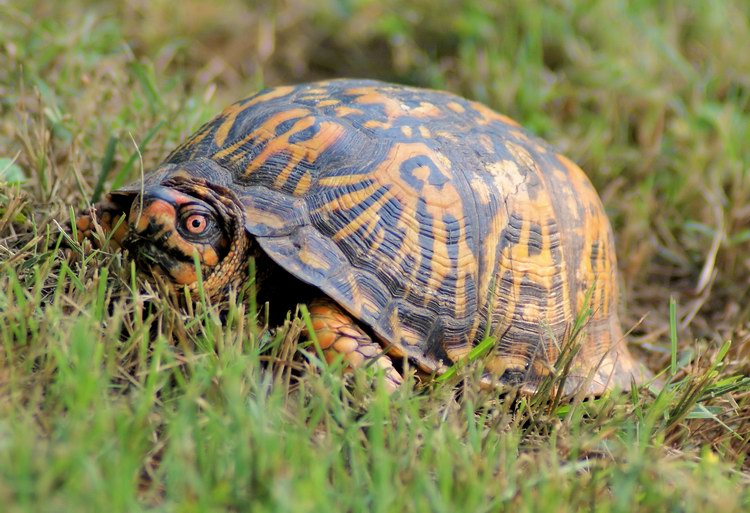
Here is an Eastern Box Turtle that I photographed a month ago. He was out early near where I store my kayak. Mornings are usually the best time of day to find most wildlife and this is especially true of Box Turtles. This is not a hard and fast rule however. Last week I came home from dinner and found a female Box Turtle laying eggs on the lawn so you never can tell. JK

Fawn

Monday, July 28, 2008

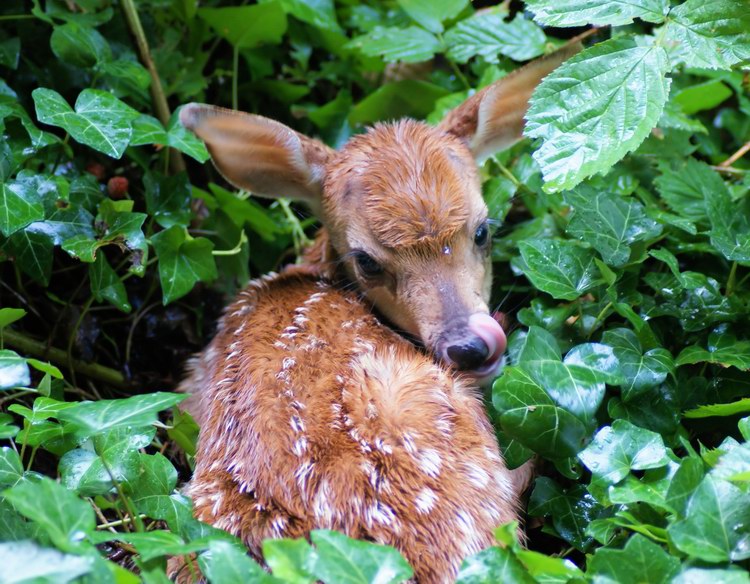
I have other shots on deck but this one couldn’t wait. Early yesterday I spied a group of Wild Turkeys in the back yard, so I grabbed my camera and went out to take some pics. I took a circuitous route so as not to frighten the birds but when I got there they were gone. I soon located them but not before coming across this little guy. And he is little. Not counting his (very unsteady) legs, he’s no bigger than a medium sized cat. I didn’t see his mother nearby but the night before a doe was hanging around the very spot that I took this picture. I’m sure she’s coming back for him. JK

Cygnet

Thursday, July 24, 2008

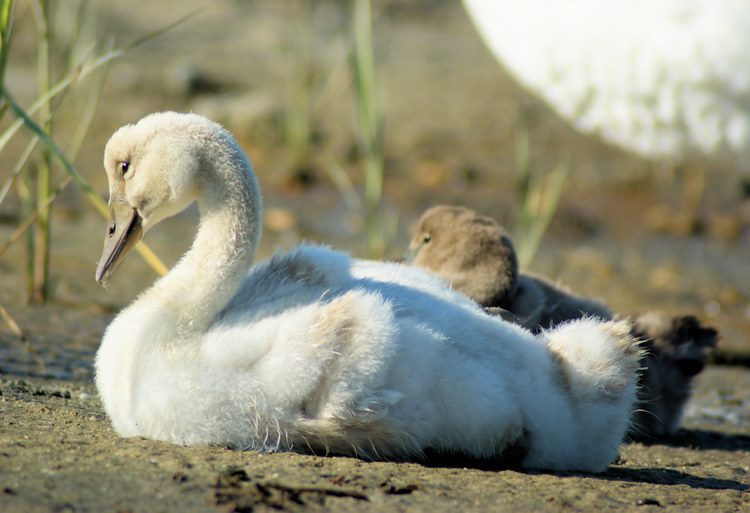
This is a young swan or cygnet. The young of Mute Swans come in two color phases, light and dark. This bird is of the lighter variety. It and its darker colored sibling behind it are still covered in down. Lacking proper feathers, they cannot fly yet but they swim just fine. Both birds will grow up to wear the same white plumage as their parents. JK

I Was A Teenage Muskrat

Tuesday, July 22, 2008

There is channel off the Nissequogue River that I like to explore when the tide permits. The channel – maybe it’s a creek – offers many photo ops for us nature lovers. It’s set off from the main part of the river so it rarely ever gets any traffic and that makes it popular with a number of species. Black-crowned and Yellow-crowned Night Herons seem to like the spot as well as their somewhat less shy cousins, Great and Snowy Egrets. It’s a reedy area so it’s also good for Red-winged Blackbirds. Occasionally, but not often, I’ll find a Snapping Turtle there.

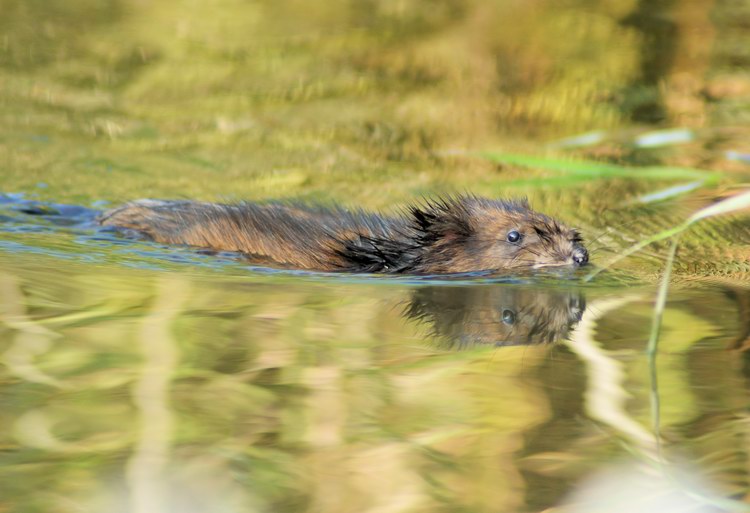
There is also a family of muskrats living along the creek. If one is early enough and quiet enough, one might be lucky enough to see one or more of these critters. I’ve noticed three distinct sizes: big, medium, and small. The photo above is of one of the medium-sized ones.

According to Peterson’s Field Guide to Mammals, Muskrats can have two or three litters a year and they take about a year to reach maturity so both the medium and small ones I’ve seen could have been born this year. Despite their name, Muskrats are more closely related to lemmings and voles than they are to rats. JK

Chicks On The Beach

Friday, July 18, 2008
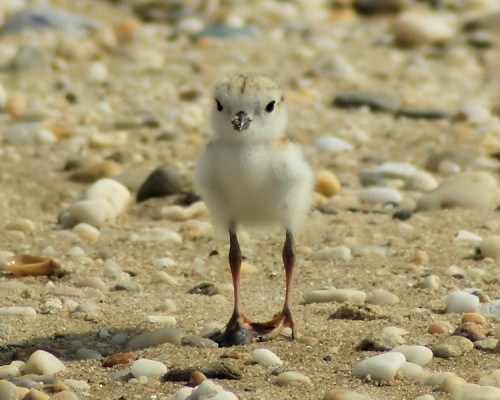
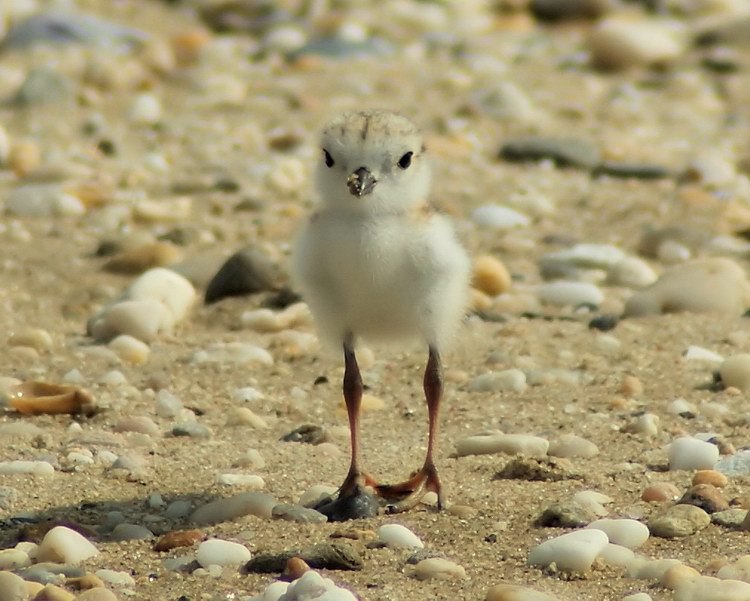
Earlier this week I promised to post some pics of Piping Plover chicks. This little guy seemed as interested in me as I was in him but a few peeps from Mom and he headed back to her.
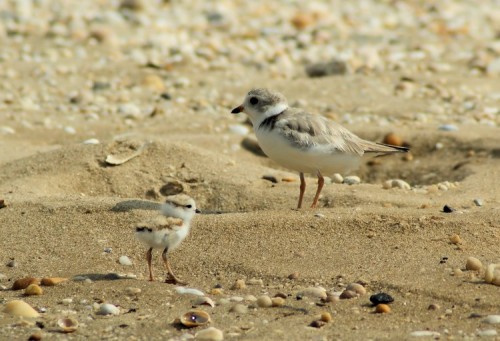
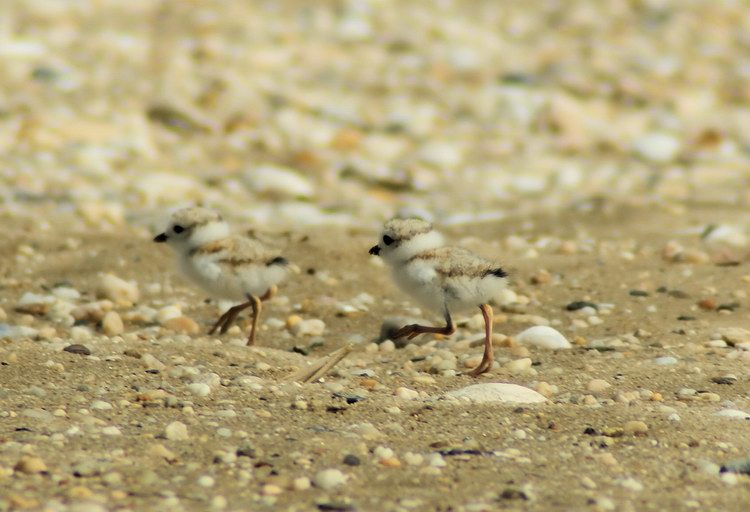
This shot of a chick with one of its parents shows the size difference between the two. Piping Plovers are not that big to begin with.

These guys are very difficult to photograph. When they’re moving, they’re moving fast. And when they stop, they melt right into the background. Those fuzzy edges just disappear and you can’t tell the bird from the sand.
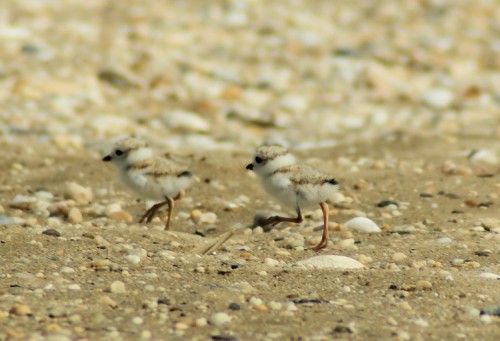
June 12 was the first day I saw one of the plover chicks over at Sunken Meadow Park. I only saw the one chick that day but I’ve seen others since, but never in any great numbers. I don’t think I’ve seen more than five chicks in any one visit to Sunken Meadow. Of course, my view of the nesting area is from the water inside the inlet, so I don’t see all there is to see. You can walk around the perimeter of the nesting area but I prefer to disturb the birds as little as possible.
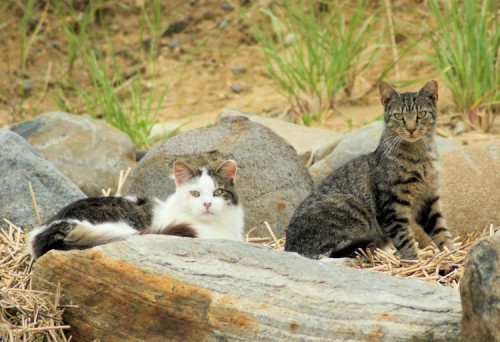
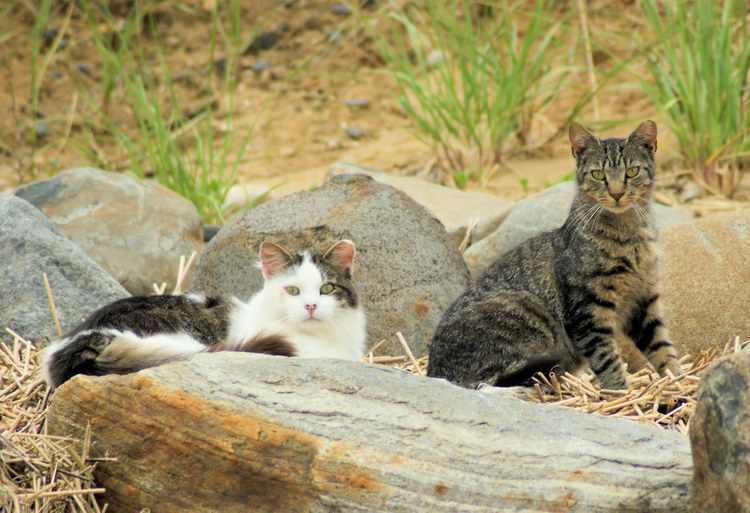
Now, anytime you have chicks on the beach, you’re going to find some cool cats checking them out. These two felines were at the base of the bluffs at Kings Park dreaming of ways to get across the water to Sunken Meadow. At low tide you or I can walk right across but I don’t think it’s a trick a cat wants to try. JK