Monday, October 6, 2008
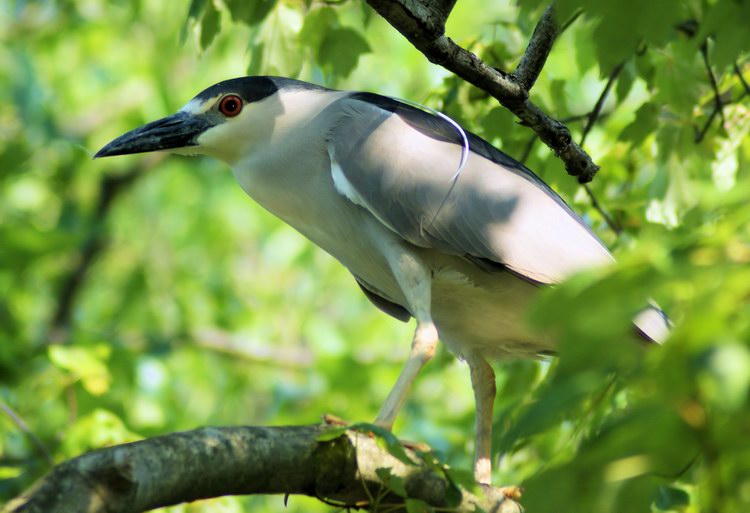
This is a Black-crowned Night Heron that was roosting above a quiet stream off the Nissequogue River back in June. JK

Monday, October 6, 2008
This is a Black-crowned Night Heron that was roosting above a quiet stream off the Nissequogue River back in June. JK
Thursday, July 24, 2008
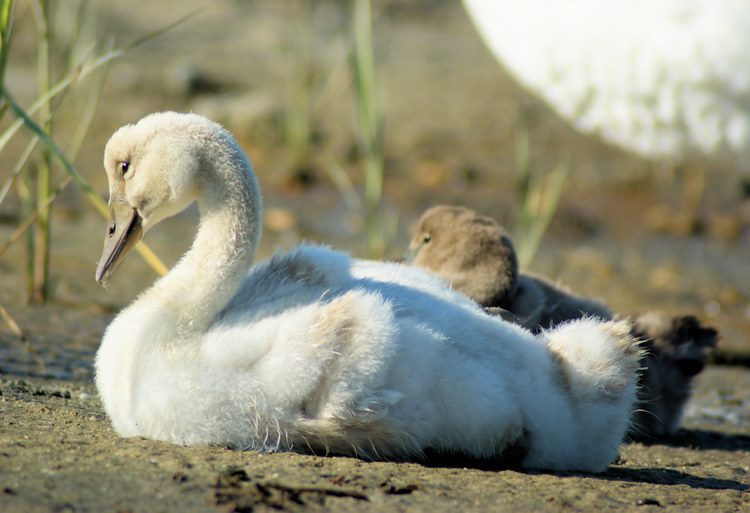
This is a young swan or cygnet. The young of Mute Swans come in two color phases, light and dark. This bird is of the lighter variety. It and its darker colored sibling behind it are still covered in down. Lacking proper feathers, they cannot fly yet but they swim just fine. Both birds will grow up to wear the same white plumage as their parents. JK
Tuesday, July 22, 2008
There is channel off the Nissequogue River that I like to explore when the tide permits. The channel – maybe it’s a creek – offers many photo ops for us nature lovers. It’s set off from the main part of the river so it rarely ever gets any traffic and that makes it popular with a number of species. Black-crowned and Yellow-crowned Night Herons seem to like the spot as well as their somewhat less shy cousins, Great and Snowy Egrets. It’s a reedy area so it’s also good for Red-winged Blackbirds. Occasionally, but not often, I’ll find a Snapping Turtle there.
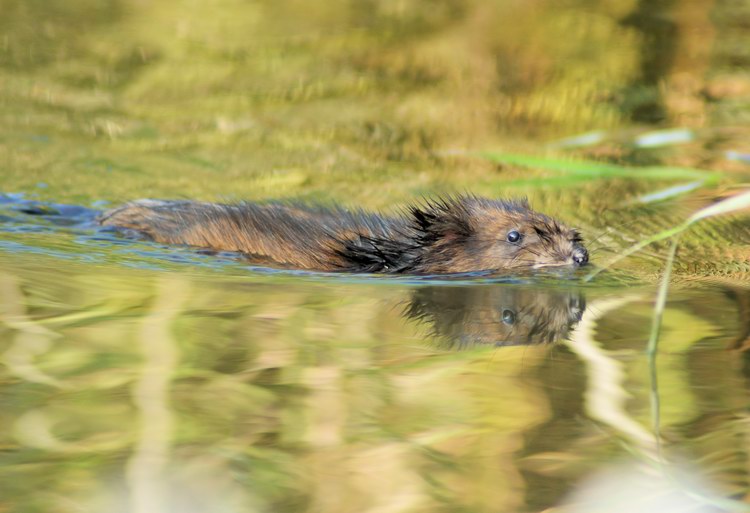
There is also a family of muskrats living along the creek. If one is early enough and quiet enough, one might be lucky enough to see one or more of these critters. I’ve noticed three distinct sizes: big, medium, and small. The photo above is of one of the medium-sized ones.
According to Peterson’s Field Guide to Mammals, Muskrats can have two or three litters a year and they take about a year to reach maturity so both the medium and small ones I’ve seen could have been born this year. Despite their name, Muskrats are more closely related to lemmings and voles than they are to rats. JK
Wednesday, July 16, 2008
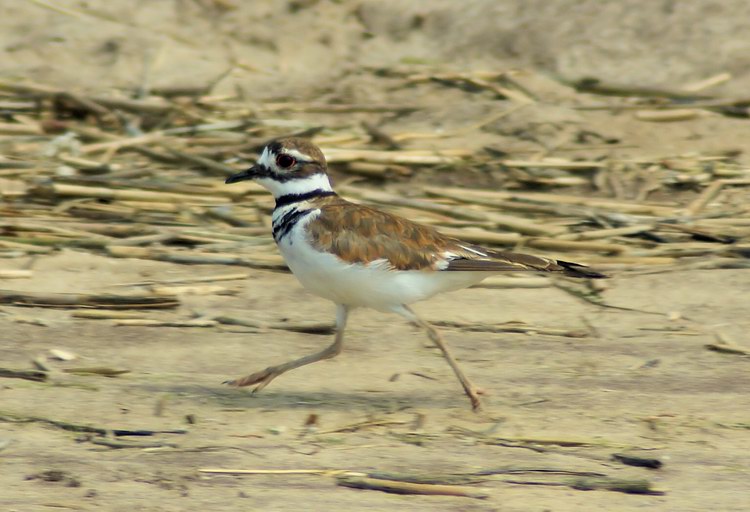
This, I think, is a Killdeer. Killdeer are a type of plover. They get their name from the calls they make. The Shorebird Guide by O’Brien, Crossley, and Karlson was very instrumental in helping me to identify this guy. I took this shot two weeks ago as he was working the south side of Short Beach in Nissequogue. JK
Monday, July 14, 2008
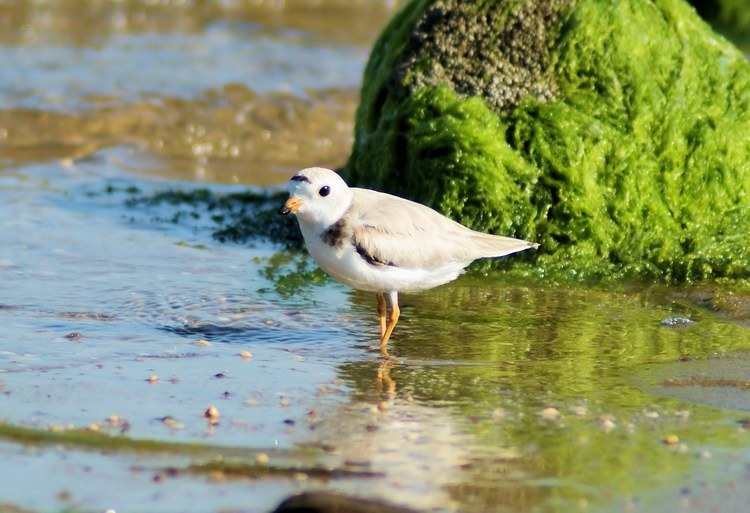
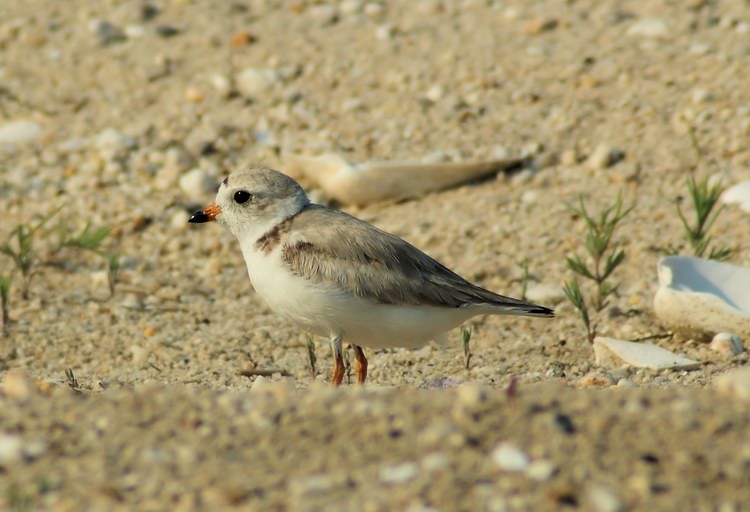
This post is way overdue. These are pics of Piping Plovers. I’ve been seeing the adults since the start of May and their eggs began hatching at least a month ago. I’ll post some shots of the young ones later this week. In the photo below you can get an idea of how their coloration helps to camouflage them on sandy beaches. JK