Black Skimmer

Wednesday, September 12, 2018,

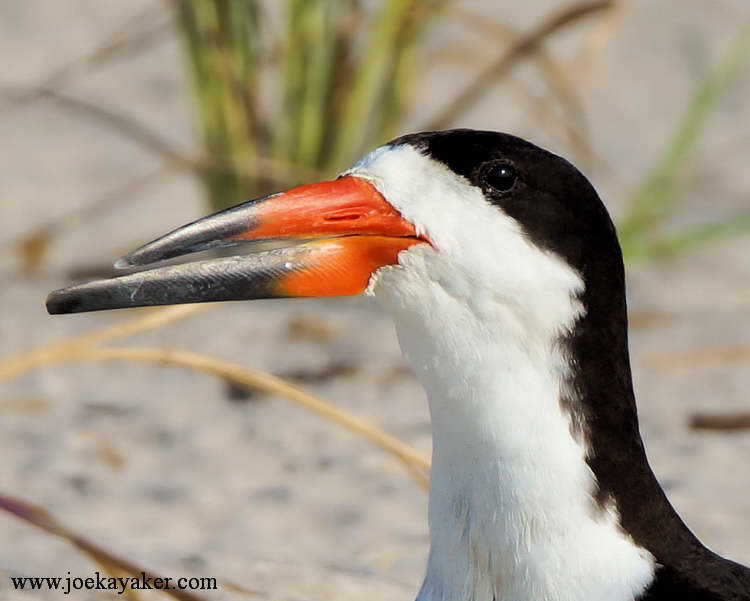
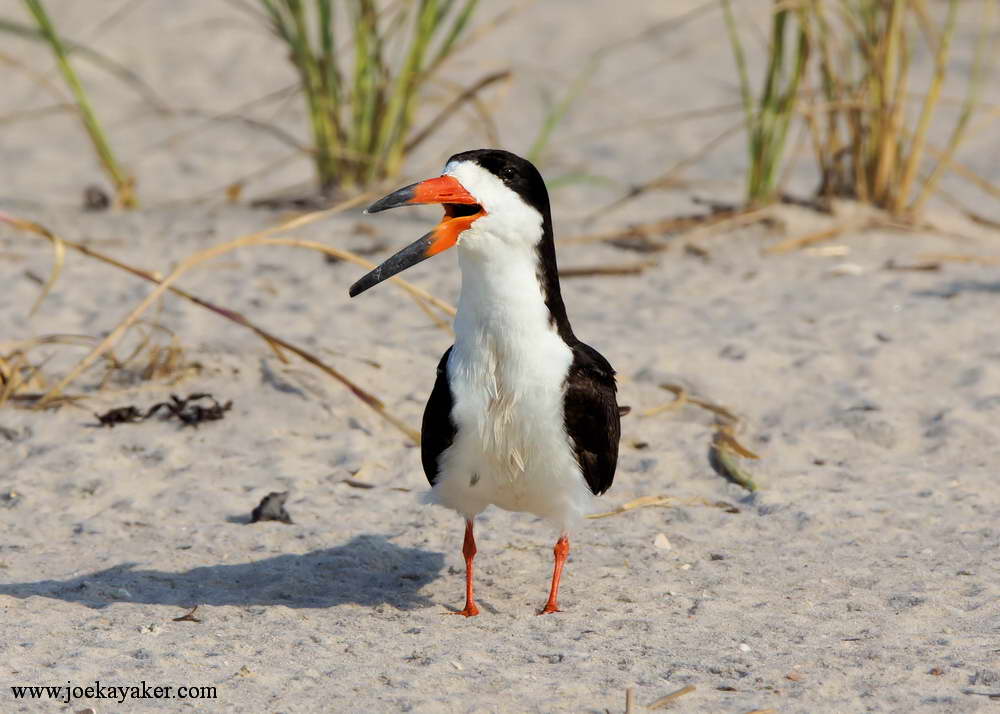
This unlikely-looking bird with the serious underbite is called a Black Skimmer. It uses that unusual bill to skim the surface of the water in search of fish, crustaceans, and anything else that might be lurking on the water’s surface. They fly just above the water and literally skim the surface with that lower mandible extended into the water. When they feel or sense a fish or other edible tidbit, the jaws snap shut and voilà! Dinner is served. JK

JK


A Bullfrog Saves The Day

Monday, August 27, 2018,

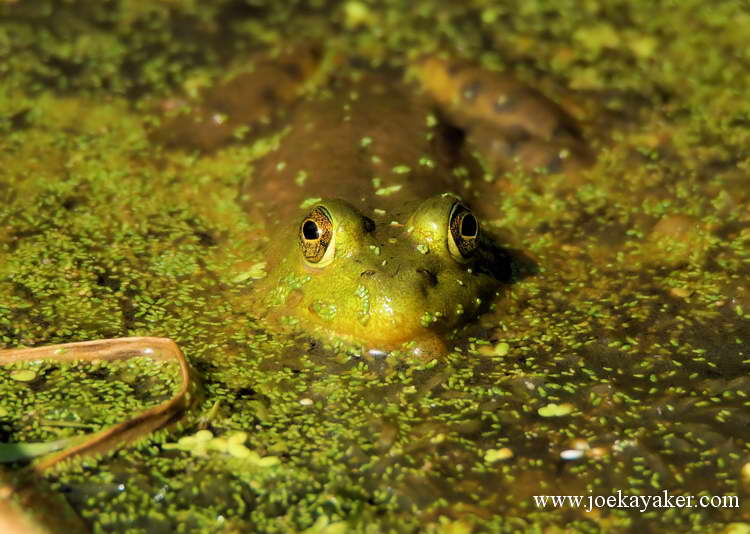
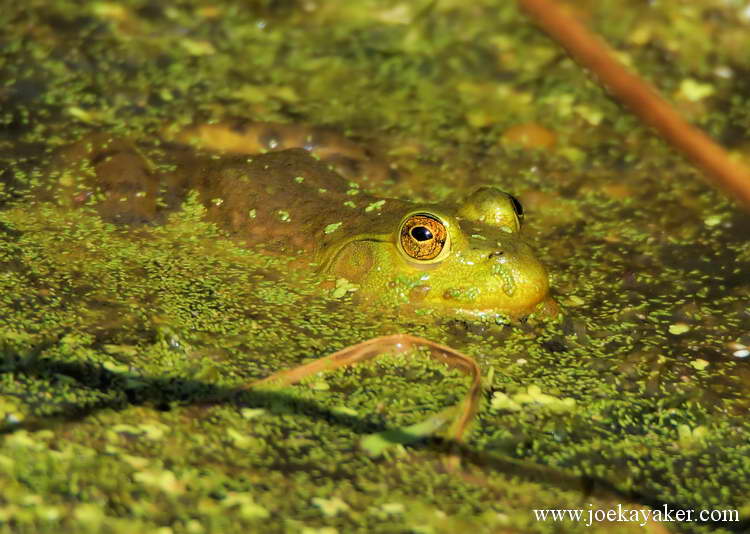
This a medium sized Bullfrog that I found at Frank Melville Park in Setauket. Frank Melville was my second stop after visiting Avalon. I had spent the entire morning hauling around two cameras and a tripod. I saw plenty of birds and butterflies. I had lots and lots of photo ops, and just as many blown opportunities. Some days are like that. Heck, a lot of days are like that. Such is life as a nature photographer. Luckily, I came across this Bullfrog while searching in a spot that has been lucky for me in the past. I was looking for dragonflies but I was not disappointed to find this guy seemingly looking up directly at me. After getting this shot, I circled around and managed to get another shot from a different angle. I took 778 photographs today, and these two shots were among the last pics I took all day. They were also the only ones I liked. Thank you Mister Bullfrog. You salvaged an otherwise fruitless outing. JK

JK


Juvenile Cooper’s Hawks

Wednesday, August 15, 2018,
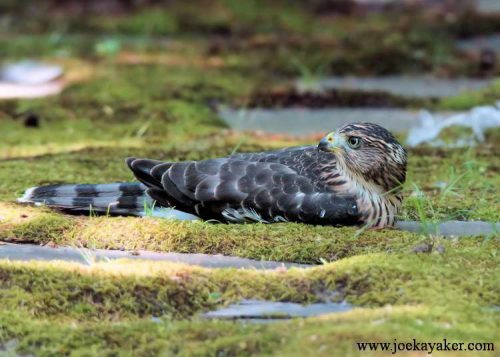
Most times in birding photography, getting the shot or shots depends on where you are, coupled with when you are. The where are is simple. You need to be where the birds are. To be honest, that part is not so simple, but I explained as much in an earlier post.
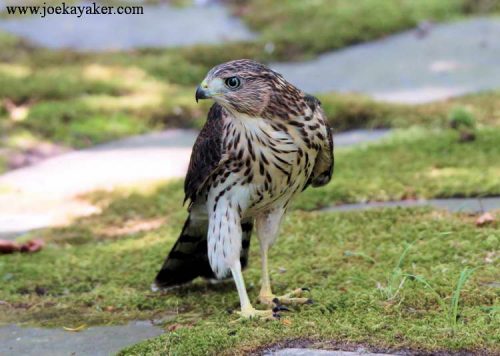
Next, you need to be there when then the birds are. I find mornings and early evenings to be the best time for finding and photographing birds. During summer, birds are most active in the morning and later in the day. Many birds, like most other sensible creatures will take a siesta during the warmest parts o the day. So mornings and late afternoons and evenings tend to the best time for me find birds to photograph.  
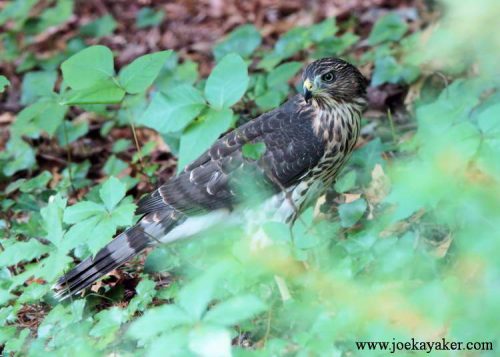
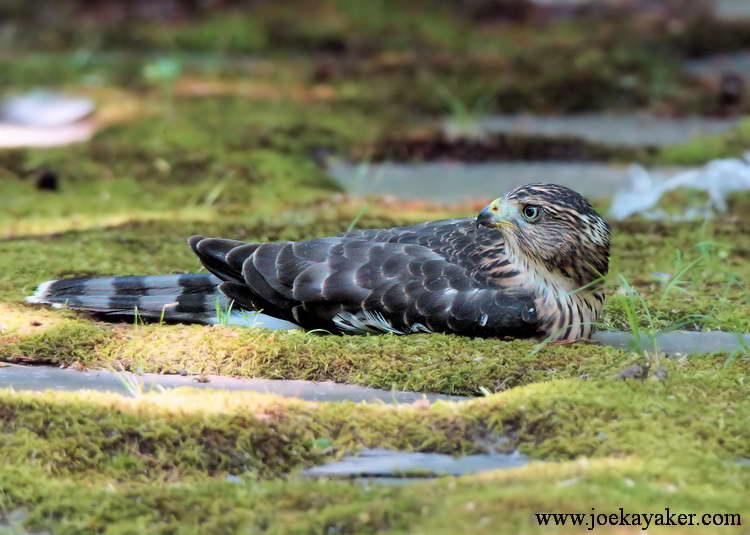
Okay, now I’ve mentioned the importance of the where and the when. Both of those aspects are important. Now, I’m going to tell you that sometimes that kind of information isn’t enough. Just like in regular life, sometimes it’s who you know. You see, this series of pics doesn’t happen without friends of mine telling me about a pair of Cooper’s Hawks nesting in their yard. The parents raised three chicks and you’re looking at them. I wasn’t able to capture all three in one photograph, but trust me, there are three different birds depicted in these pics. In these first two pics is the fledgling who stood alone but the next two pics show one and then both of it’s fledgemates.That first fledgling seemed to enjoy resting on the cool flagstones. If you’re here on Long Island, in this sweltering weather, I’m sure you can appreciate this young bird’s wisdom.
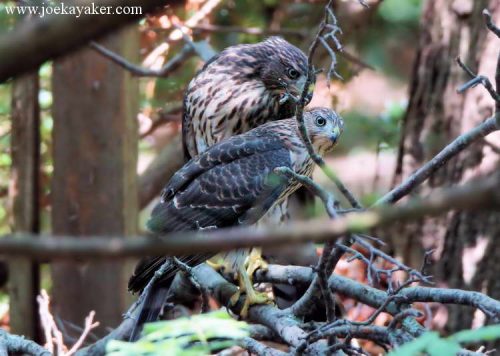
How is this for a shot of Cooper’s Hawks siblings? These two were romping away, jumping on and chasing one another. There may have been three chicks from this nest, but these two were best buddies. Aren’t they beautiful? Again, these pics aren’t because I knew the where or when to grab these shots but because of my friends and the heads up they gave me. Sometimes, it really is who you know.  JK.


Climbing Aboard

Monday, August 13, 2018,

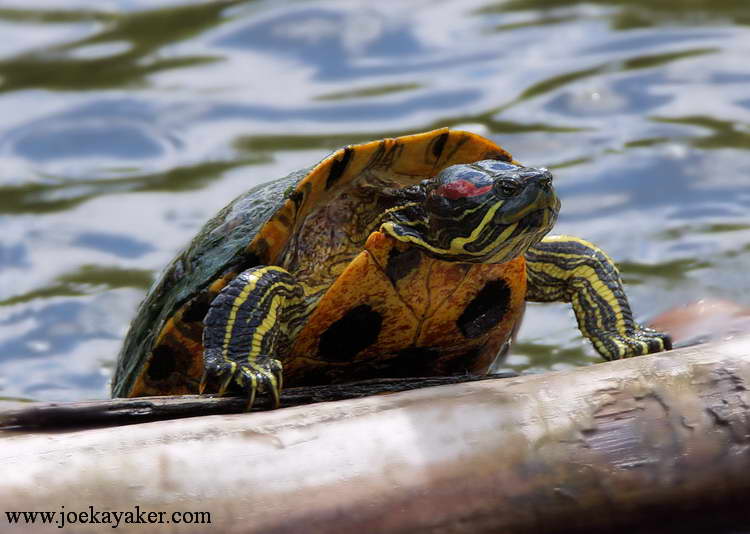
This is a photograph of a Red-eared Slider clambering aboard a floating log in order to sun itself. This is a female. One of the differences between male and female sliders is their size. The females grow larger than the males. Now, I realize that you cannot judge this turtles size by this pic, but I remember taking this photograph as well as the size of this pretty lady. She was pretty big. Another difference in Slider gender is the length and shape of the tail, but that doesn’t help us here because the tail is not in view in this photograph. So now we have a little conundrum. How can you, my dear reader, be able to judge for yourself the gender of this turtle? There are two more methods for making this decision. One concerns the shape of the plastron – that’s the bottom shell- but we cannot see enough to make any judgements. However, there is one more method at our that we can put to use. Do you see the size of the claws? Male Sliders have much more longer claws than females, more than twice the length than their girlfriends. It seems that the males need longer claws to help them get a better grip while mating. The pretty lady in this photo has sensible nails. 

Those of you that read this blog on a regular basis are probably aware of my basic disdain for this species of turtle. My complaint is that these turtles do not belong in Long Island ponds or rivers, but there is no denying their basic beauty. Of course, that beauty is the reason we find them here. In days past, these animals were staples of the pet trade. One could purchase a baby Slider in a tiny tank for a very fair price. The new owners were not aware of how large their new turtles could grow. In a few short years, that two inch cutie can grow into foot long beast. Not many folks plan on such contingencies, and, for many people, the easy solution was releasing their beloved pets into the wild. Unfortunately, despite being a southern species, Red-eared Sliders turned out to be very hardy. They manage our northern winters quite well and have managed to reproduce several generations. They are now a fact of life here on Long Island but they do serve as an example of the dangers inherent in releasing non-native species into the wild. You see, while there is no denying the beauty of Red-eared Sliders, they are beginning to crowd out our native freshwater turtles, the Eastern Painted Turtle, which is, in my own view, an even prettier turtle. JK.