Painted Lady At Young’s Island

Sunday, October 7, 2012,
Two weeks ago I found myself on Young’s Island in Stony Brook Harbor. The island is largely made up from the sand dredged out of West Meadow Creek and Stony Brook Harbor itself. Despite being man-made, the island is now DEC protected, and no one is supposed to land on there. It’s protected because it has become a very important nesting area for Piping Plovers and Least Terns, both of which are disappearing far too quickly. It’s also a very popular nesting area for several species of gulls and shorebirds. This is a good place to spy Oystercatchers, which just might be the most striking looking shorebirds that grace our fair island.

Now, this post is supposed to be about the butterfly in the photographs, correct? What’s all this yakking about protected species and islands? And what was I doing on a DEC protected island in the first place, right? Well, dear reader, while I rarely mention it, I am a member of the Four Harbors Audubon Society. Shucks, I’m even on the board. I’m the photographer. Now that’s a surprise, huh? Anyways, for the past two years, Four Harbors has received permission to kayak to Young’s Island and clean it up. I like to volunteer, because while picking up trash is even less glamorous than it seems, it affords me the chance to photograph some almost unspoiled shore land, and the critters within. Plus it’s kinda cool walking around where few others get to go. Of course, we’re not the only only ones who actually go there. Not all of the trash we pick up is washed ashore. This year, one of the larger pieces of garbage was a four person tent. It would seem that others enjoy being here as well. I don’t blame them for being there, I just wish they’d take their belongings with them.
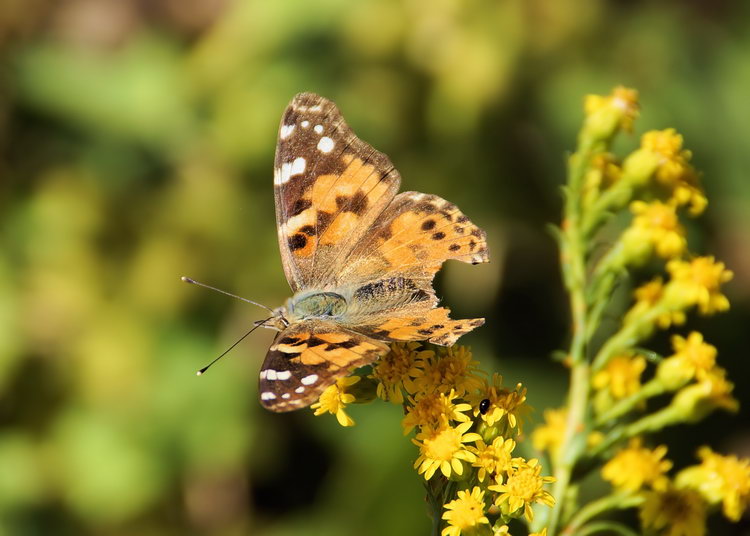
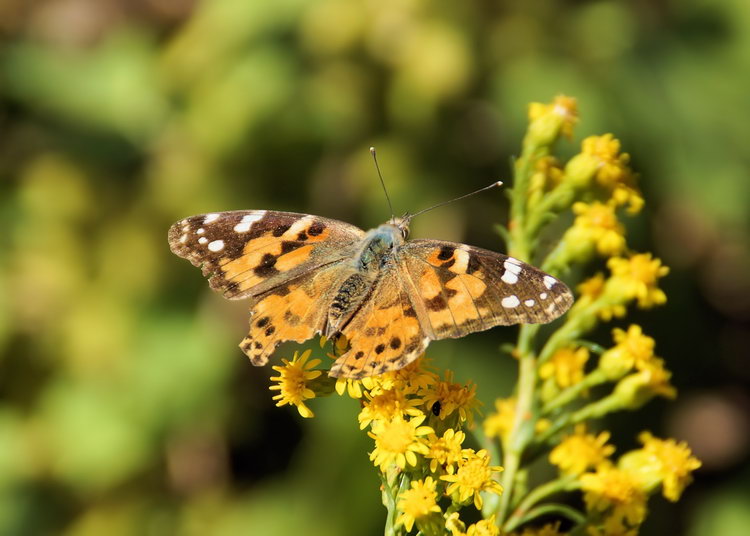
Alright already. Yes, these are pics of a butterfly. A Painted Lady Butterfly. I know almost nothing about them, even my friend Sue from Four Harbors had to identify it for me. The only thing I know about Painted Ladies is that my Mom always told me to steer clear of them. I don’t understand; I mean, it’s just a butterfly. Mom never warned me about wasps. Go figure. JK


Beauty And The Bee

Saturday, August 11, 2012,

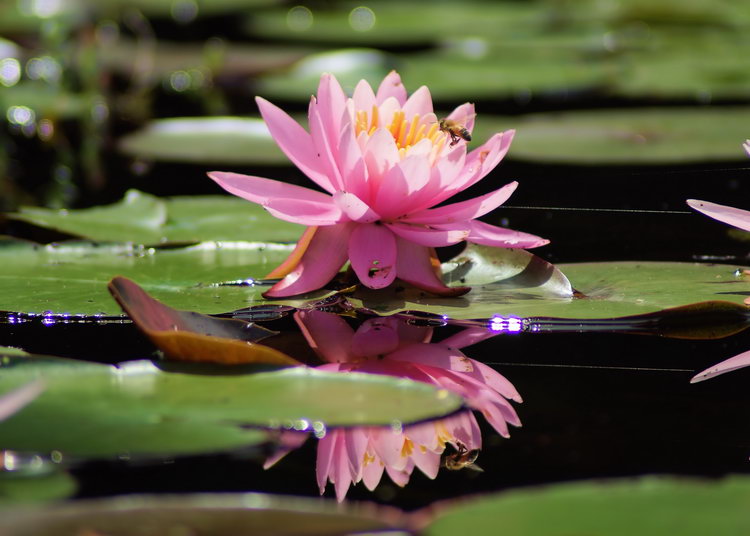
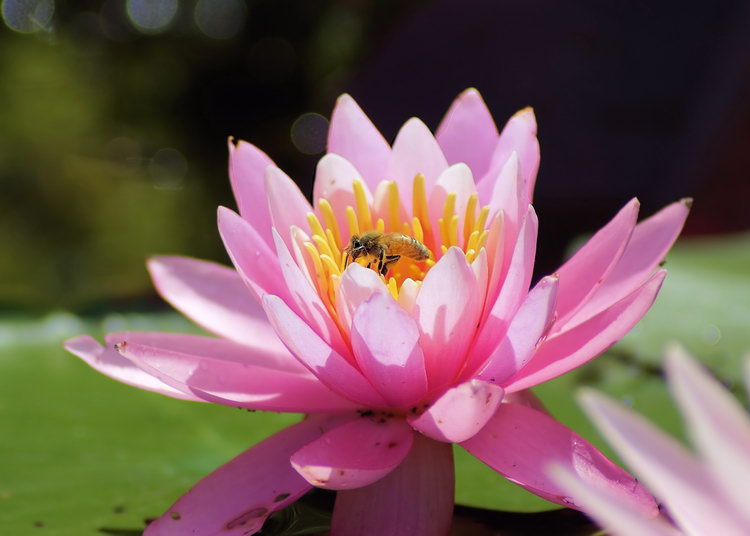
I was kayaking on a freshwater pond in Maine last week and managed to capture these shots of a bee visiting a water lily flower. I’m sorry that at this point I cannot tell you the specific species of water lily represented here or even if its native to the area. Apparently, many water lilies are invasives and have been planted for ornamental purposes. On the other hand, upon entering the state of Maine, there are signs asking boaters to be sure that their boats are clean and free of any plant matter from other areas or states. so Maine is a state that is concerned with its ecosystem and that, dear reader, is a very good thing. It’s good for Maine and good for all of us. There are way too many invasive species wreaking havoc across the country.

Wait a minute. We’re looking a pics of a flower, right? Let me step down from this soapbox and let’s enjoy some pollination on the pond. These are really pretty flowers, and anything that attracts bees these days can’t be a bad thing. All across the world, bees are disappearing at a rather alarming rate. Oh, crap. There I go again. Way too many soapboxes to stand on these days, especially for us nature lovers.

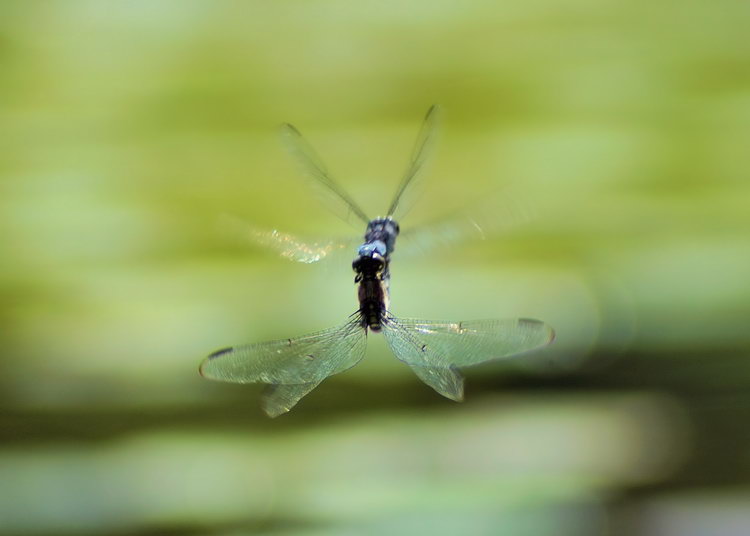
Lets get back on topic anyways, okay? Here’s another shot of the same bee visiting that same flower. Gosh, I love reflections. JK


JK

Skunk Cabbages In January?

Sunday, January 8, 2012,

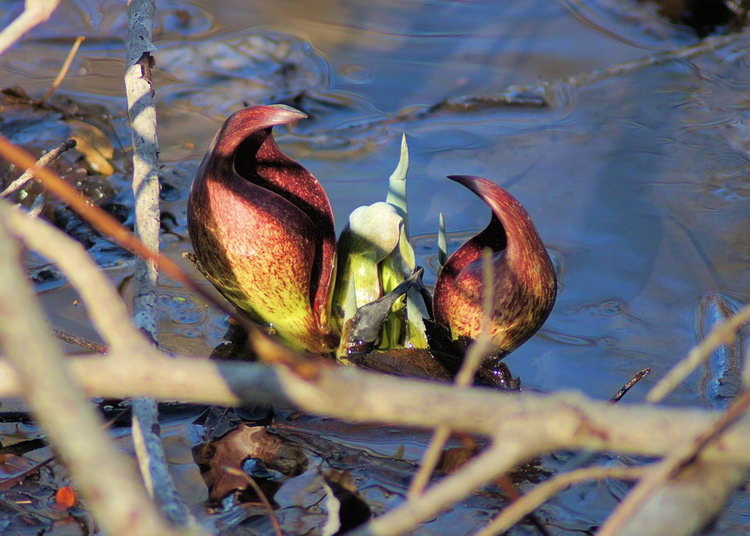
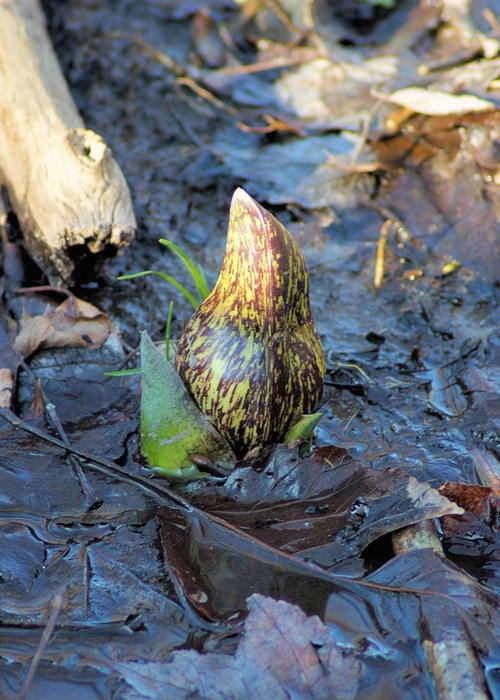
Here is a curious thing. These are pics of Eastern Skunk Cabbages I found on January 3rd at Morton Wildlife Refuge in Sag Harbor. Now, skunk cabbages are pretty cool on their own merits – we’ll get to that – but the curious thing here is that these plants are generally not seen till February at the earliest. Three days into the year has got to be too soon for these guys to be emerging. In fact, I was so sure that it was too early to be seeing skunk cabbages that I sent the pics to Isabel at Sweetbriar Nature Center. She confirmed my guess and said that the weather is confusing the plants. I think she’s right.

Skunk cabbages are usually the first flowering plants to emerge from the ground. Both John Eastman in Swamp and Bog and John Turner in Exploring the Other Island give February as when this plant should be making its debut. Maybe it’s this mild weather we’ve been experiencing but we haven’t actually had a winter yet.

The really amazing thing about these plants is that they are able to generate their own heat, enough even, to melt the snow. I know, big deal, right? I, too, can melt snow and I can write my name at the same time, but think about it: this is a plant that can melt ice. How cool is that? It’s that ability that allows it to appear so early in the season. But January? This has to be too early.

I sent the pics to some of my friends at Four Harbors Audubon Society to get their opinions.

Sue B. said, “weird and cool.”

Michele cried, “Invasion of the Body Snatchers!”

Elaine made comparisons to Audrey, the carnivorous plant from Little Shop of Horrors.

Indeed, at this point the plant does have a rather otherworldly look about it. Believe it or not, this is the flowering stage. Yep, this is as pretty as this plant gets. As Elaine explained to me, The reddish spike you see is the “spathe”, an adapted bud which never opens to reveal its flower within. There’s just enough space between its closed “petals” to allow air to circulate from its warm center and provide an odorous current that visiting, pollinating insects will explore.”

Pretty cool stuff about a pretty cool-looking plant. JK

Beauty On The Beach

Sunday, November 6, 2011,

This butterfly is called, much to my chagrin, a Common Buckeye. I was hiking around Short Beach Park in Nissequogue a few days back when I came across this critter, or rather, this critter came across me. Well, it crossed my path. It’s a really good flier; there’s not much flutter to this butterfly. At first I thought I was seeing one of those flying grasshopper thingies – that’s how directly it flew – but when it landed I saw it was this really pretty butterfly instead. I was not at all disappointed. I was, however, disappointed when I got home and looked this beauty up in my field guides. I’m thinking I’ve found some exotic species only to find out it’s a Common Buckeye. Common! What is so common about this Buckeye? It dresses like royalty. JK