Tuesday, July 18, 2023,
JK
Tuesday, July 18, 2023,
JK
Wednesday, June 21 2023,
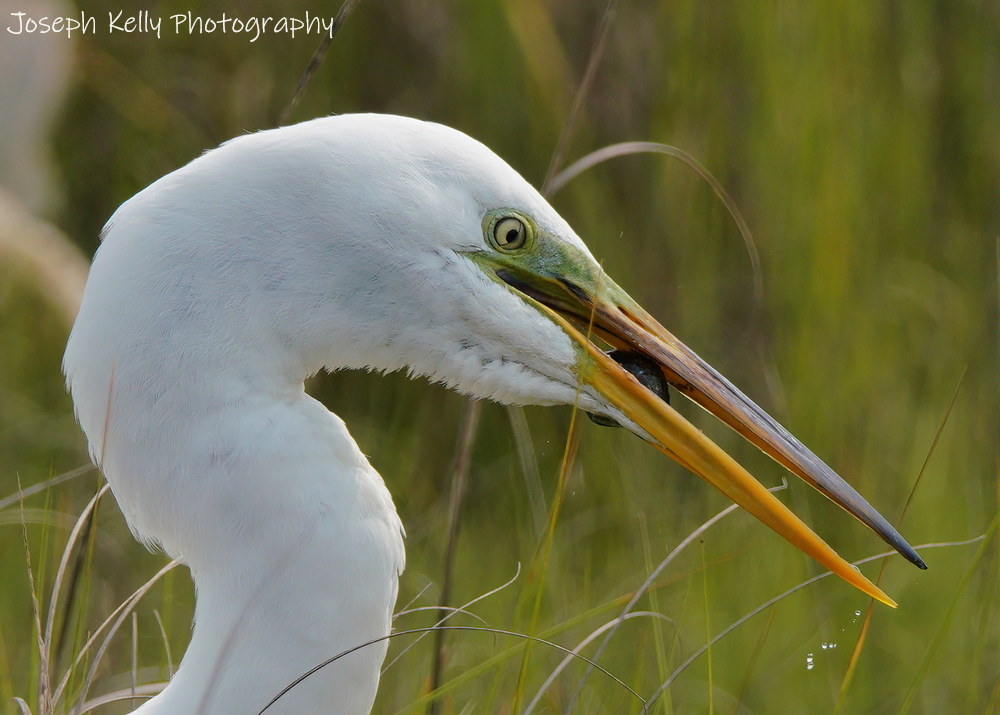
First off, the title of this post is a bit of a misnomer, although, not in its entirety. Yes, this Mummichog is having a bad day. That’s entirely true. However, it is also experiencing its last day. And, unless you’re an amoeba or a jellyfish, we’re all gonna be there someday. On the upside, this hapless fish was taken by what might have seemed a giant angel, clad in white with great broad wings. I make no judgements here. In fact, perhaps, all of us should be taking a closer look at our angels. Just a thought.
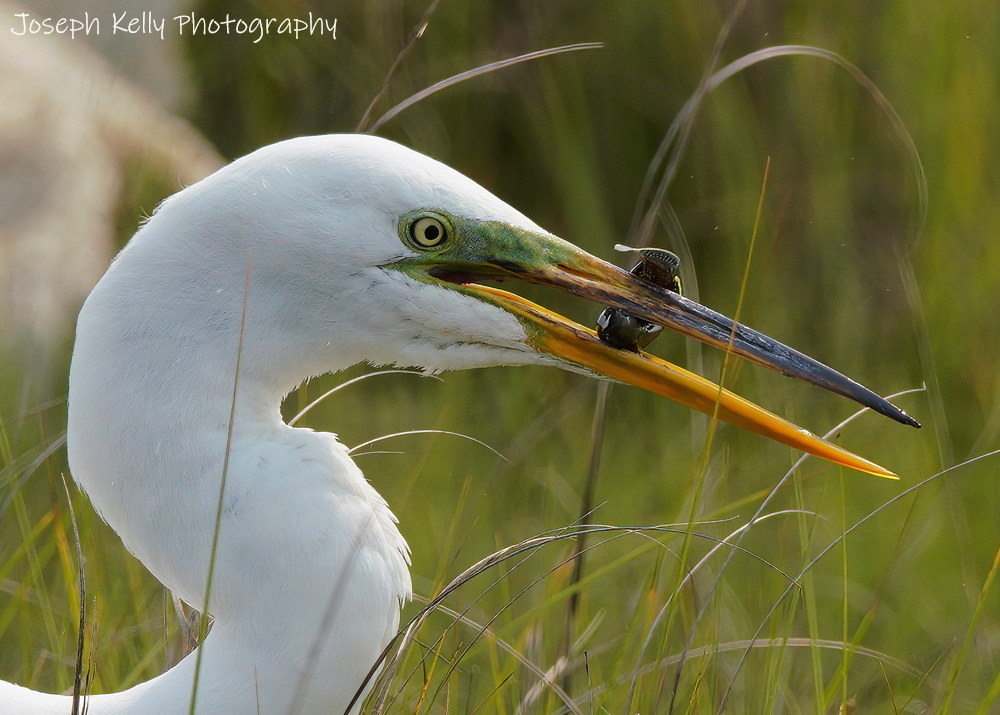 Secondly, this may be one of those posts in which you might learn something. So, if you’re a young scholar, or, even, a teacher who is celebrating the end of the school year, you may want to skip this post. I understand. Why should you be subjected to gaining knowledge for the simple sake of gaining knowledge. It’s a slippery slope. You learn one thing, and, maybe, it makes you curious about something else. It’s not right. The school year has ended, and yet, you’re still learning stuff. Curiosity is a dangerous thing. Look what it did for the cat. To this day, I still read two books, (or more), at a time. Be afraid, dear readers, be afraid.
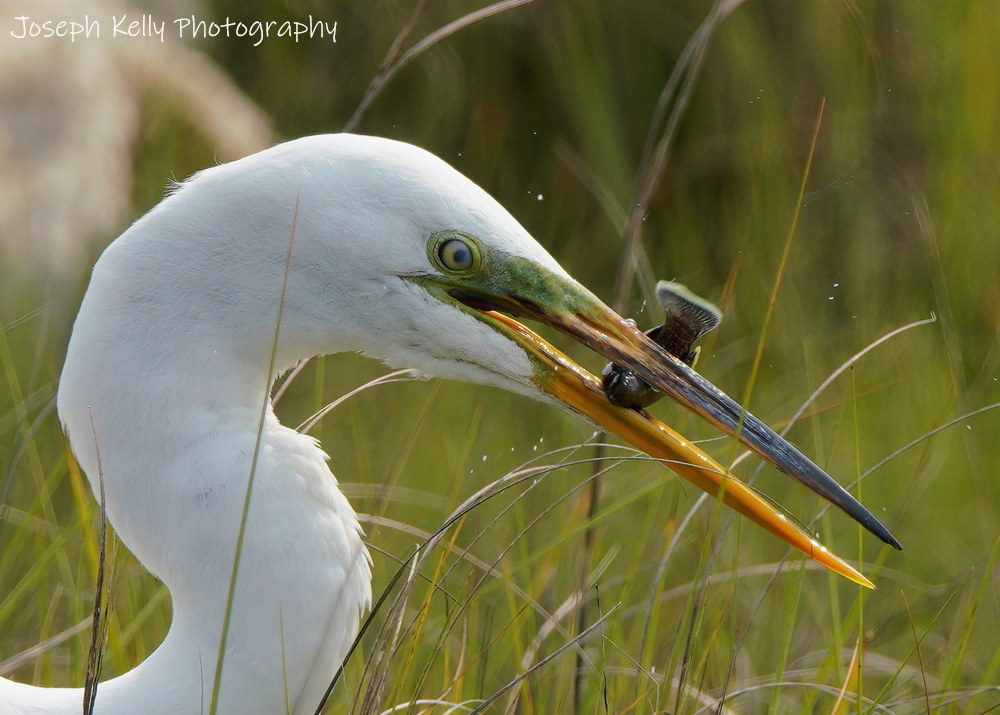 So. You’re still here, even after my warning. I’m guessing most of you never paid much attention to your parents, either. Neither did I, but I grew up playing in the woods. Allow me to draw your focus to the above photo. Do you see that “cloudy” eye? That’s not faulty photography or a physical defect. Most birds, as well as several amphibians, reptiles, and even some mammals, have a nictitating membrane, or a third eyelid, if you will. For the birds, it largely serves as an extra protection to their eyes while hunting, and that is exactly what is happening here.
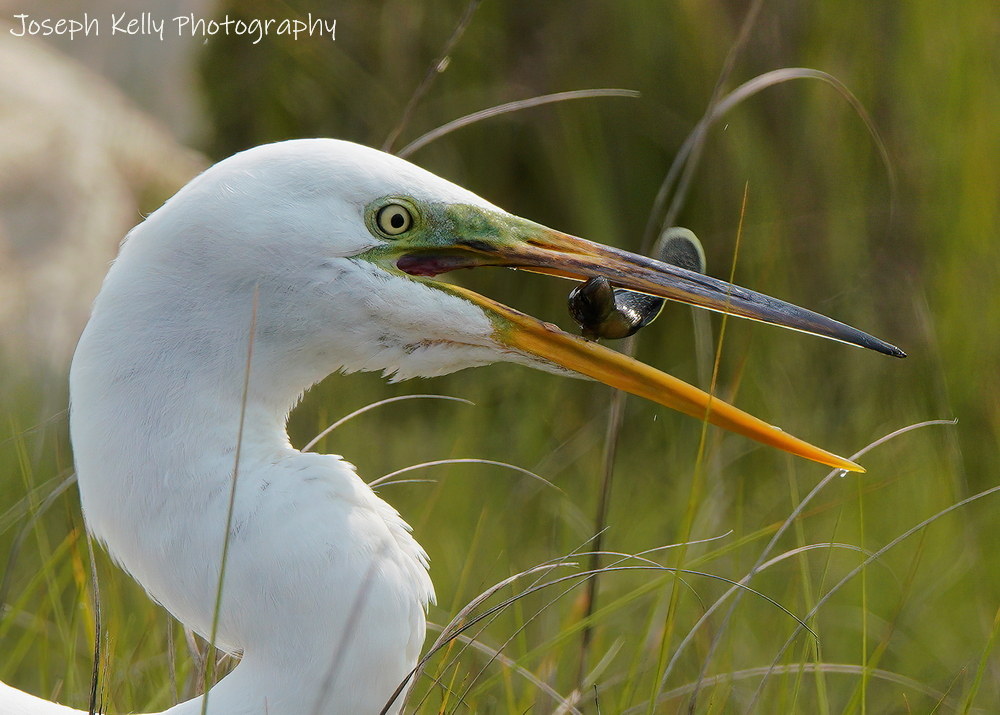 Now, let’s discuss the fish, the magnificent Mummichog. These fish are even cooler than their name. Concerning that name, the term Mummichog comes from a Narragansett Indian word meaning “going in crowds”, which was a reference to the Mummichog’s habit of swimming in large schools. Mummichogs are an extremely hardy fish. These amazing fish can withstand great changes in salinity, from freshwater to saltwater, as well as a considerable range of temperatures, not to mention an amazingly high threshold for pollution. These attributes make Mummichogs a favorite of scientific studies. In fact, Mumichogs were the first fish in space. No lie. In 1973, two Mumichogs, and fifty Mummichog eggs, were sent to Skylab. Forty-eight of those eggs hatched, and behaved normally. In space, no less. How cool is that? Again, this is an incredible fish. However, as these photos show, they are no match for Great Egrets. Sigh.
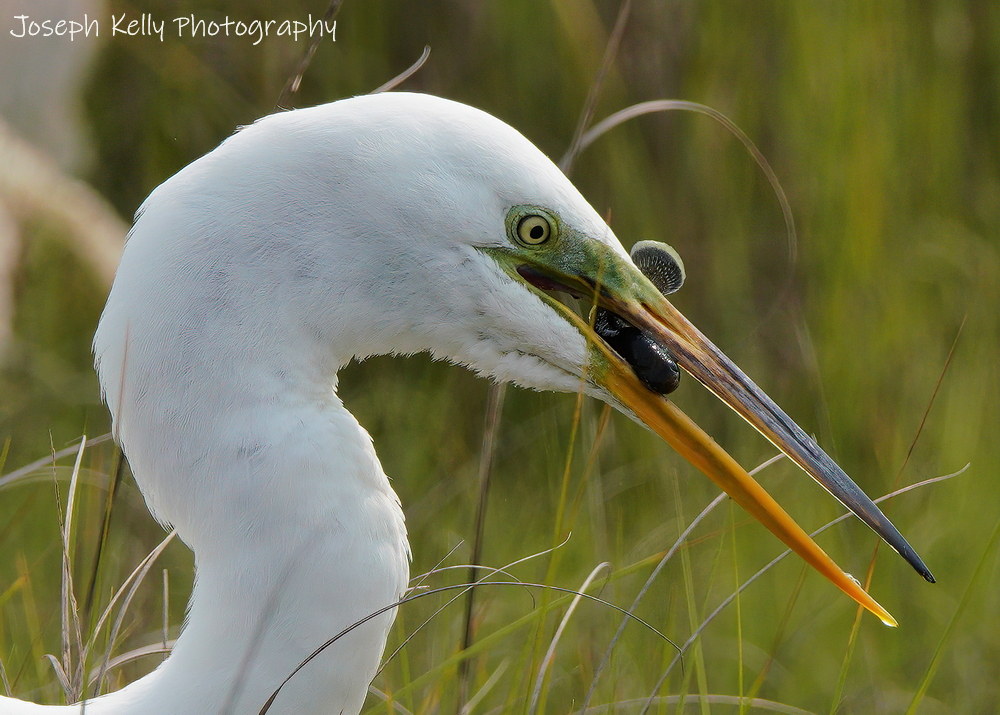 It takes a village to raise a child. It takes even more folks to make me appear intelligent. I would never have been able to share these facts with you without the help of my friend Michael Farina. Mike is a Conservation Biologist at the Marine Nature Study Area in Oceanside. Many has been the times when he has identified birds or fish for me. It was Mike who identified this fish as a Mummichog. Not only that, after I did some reading on this fascinating species of fish, it was Mike who confirmed my guess that this was a male Mumichog. Mr. Farina is one very helpful and knowledgeable man.
 JK
JK
Tuesday, June 13, 2023,
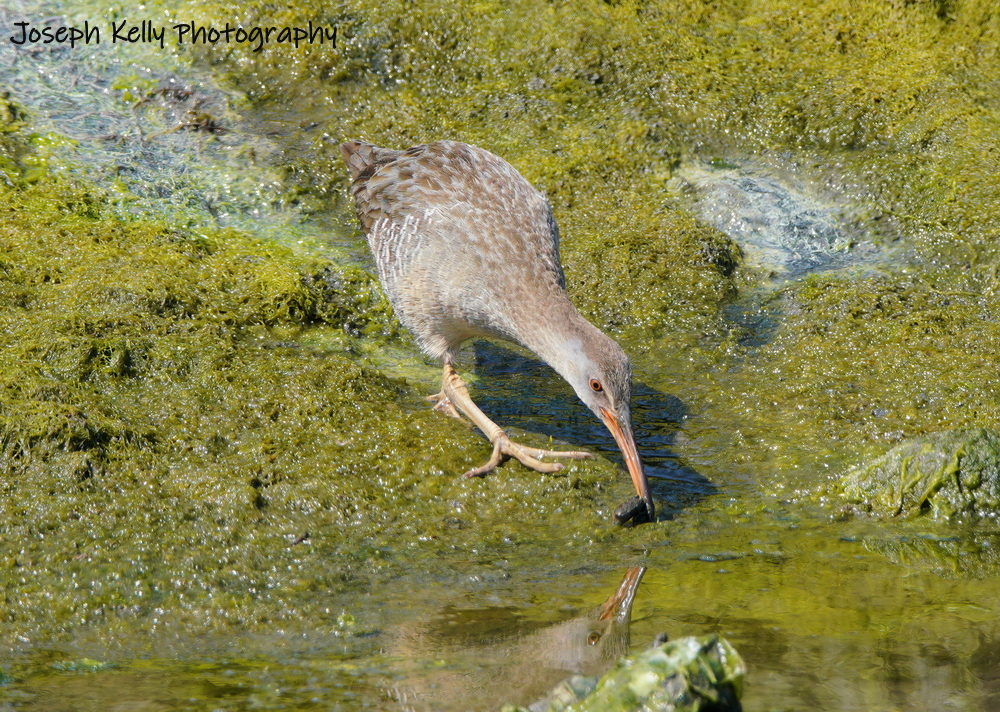
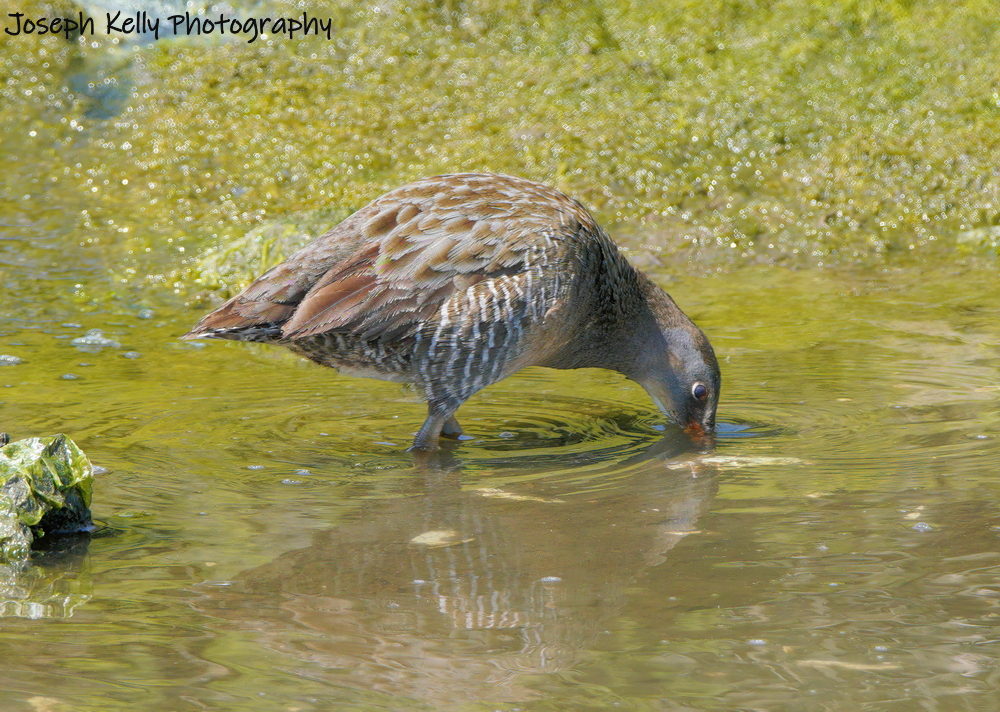
This is a Clapper Rail that I was lucky enough to grab some photos of at the Marine Nature Study Area in Oceanside. Truth be told, I was very lucky. You see, while Clapper Rails are not rare, they are rarely seen.
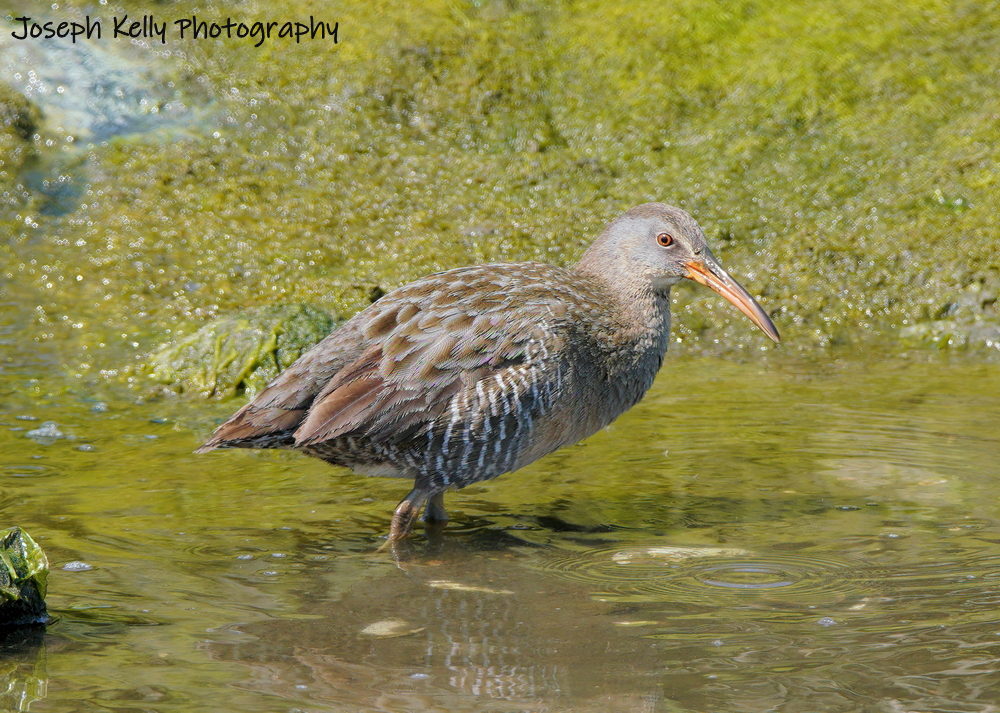
These birds prefer to do their living and foraging while remaining hidden in thick vegetation. While they may appear to be fairly stocky, Clapper Rails tend to be laterally compressed. That means they appear skinnier when viewed head on. This “compression” allows them to move more freely through the dense cordgrass or other plants that grow in the salt marshes that these birds inhabit.
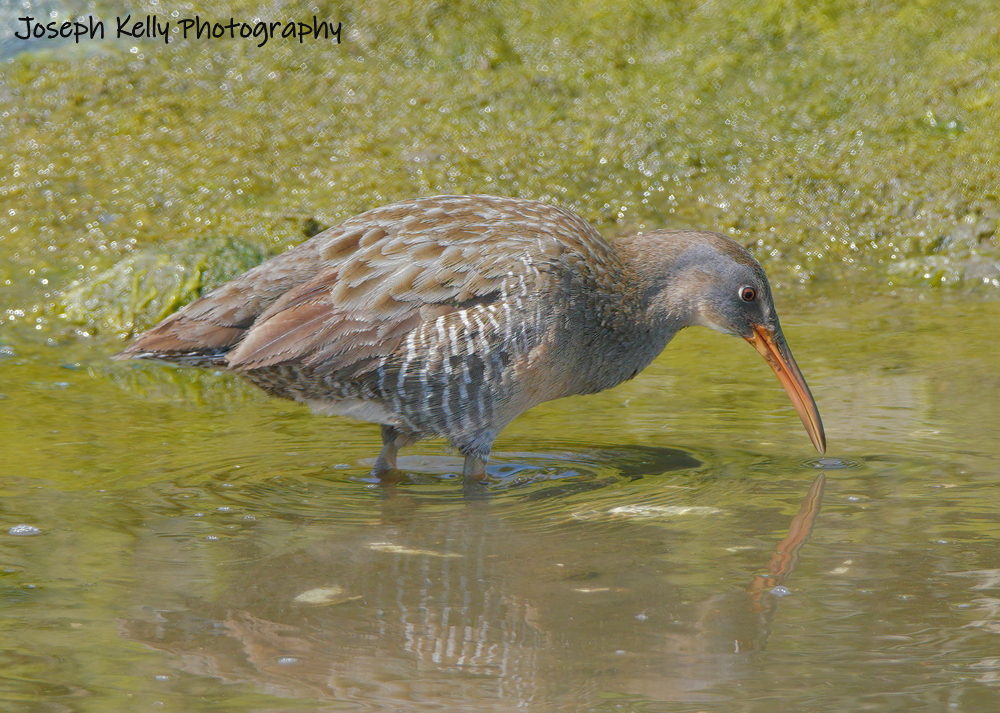
Now, while these birds may be hard to observe, let alone photograph, they don’t exactly go unheard. However, these shy birds are quite capable of making a loud racket. In fact, the same morning that I chanced upon this particular Clapper Rail, I had heard one making its “Kek, kek, kek” call from only about three feet away. I was with a group of people, and we were able to pinpoint where the call was coming from, but not one of us could actually see the calling bird. Such is life in the day of both a birder or a photographer. Stupid birds. 🙂 JK.
JK
Sunday, November 6, 2022,
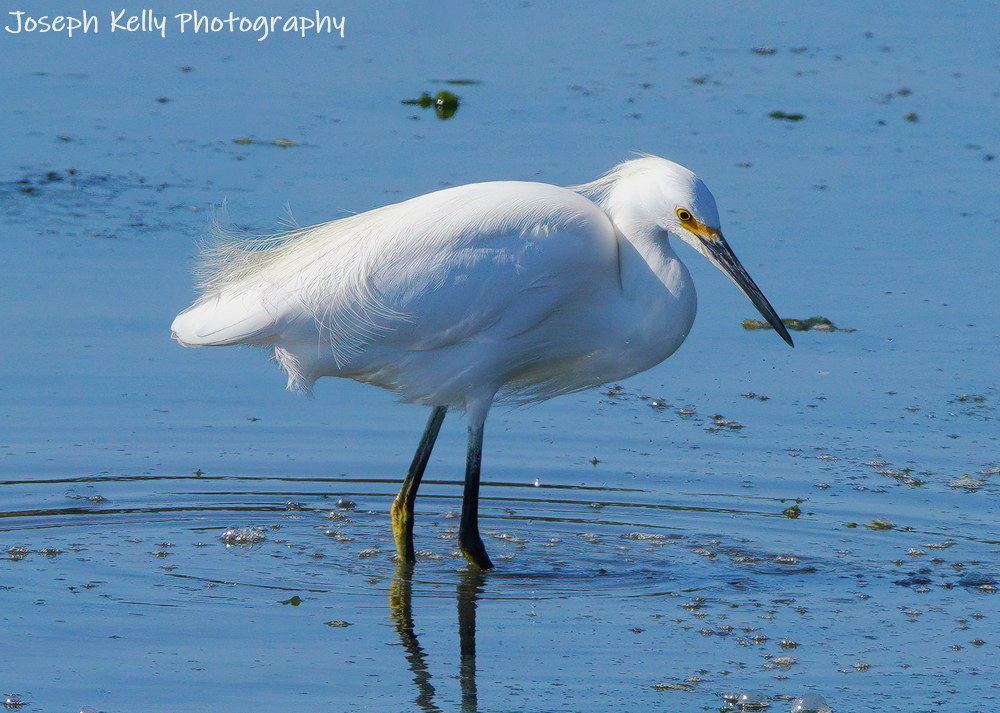
This is a juvenile Snowy Egret that I manged to get photos of as it was plying, or learning its, trade at the Marine Nature Study Area in Oceanside. Actually, it was probably a bit of both. If you’re new here, click on the pics to see the full versions.
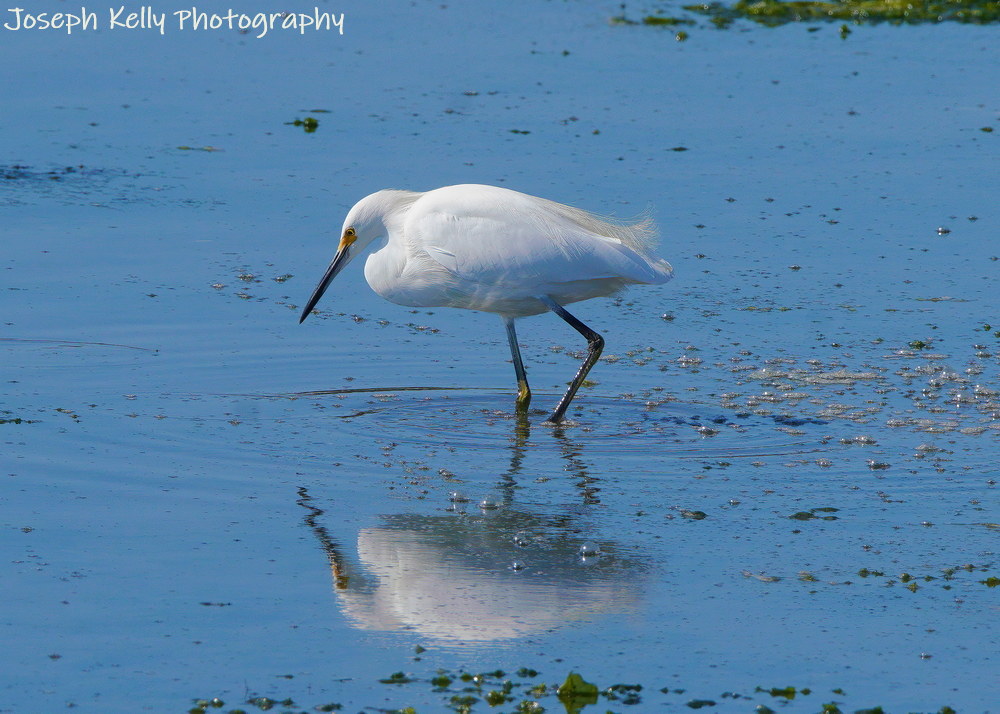
One of the ways I can identify this beautiful Snowy Egret as a juvenile is by its legs. Adult Snowy’s have all black legs and bright yellow feet. The juveniles have yellowish-green legs. My own tongue-in-cheek theory is that the yellow in their legs drains down into the feet as the birds age. Yeah, I know t’s wrong, but it is fun to think of it that way. 🙂 JK
Saturday, October 29, 2022,
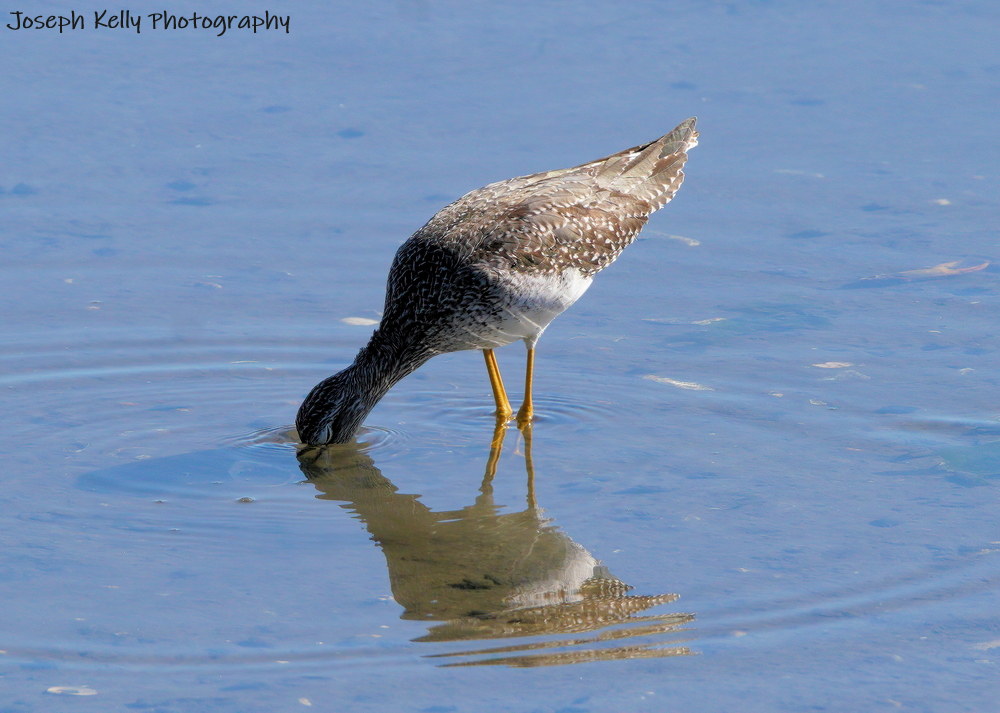
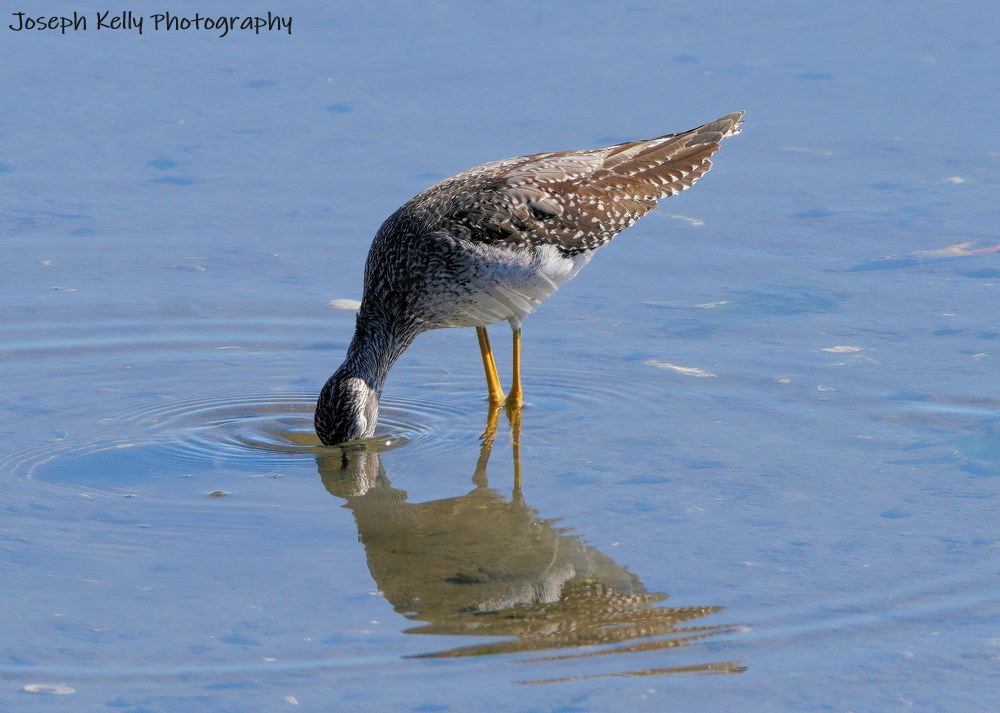
Hello folks. I have a real treat for you today. This is a pair of pics of the rarely seen, and much less photographed, Eastern Water Ostrich. Or maybe, it’s just a Greater Yellowlegs probing for fish. While I can sometimes manage to get a bird in focus, I’m not very good at making proper identifications. Plus, I’m a bit of a wiseguy. 🙂
JK